
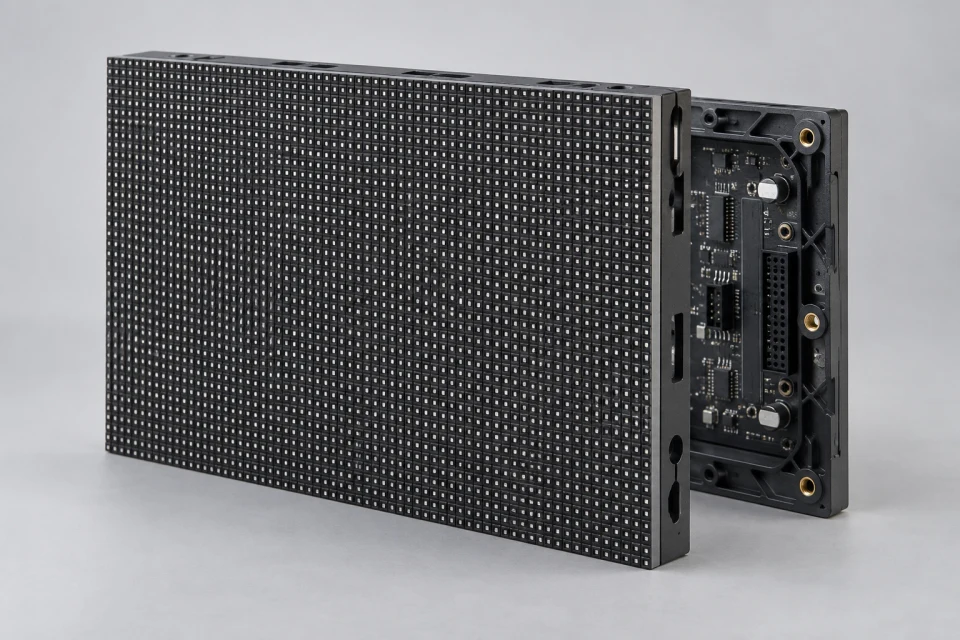
Identify the screen
Collect pitch, module dimensions, indoor or outdoor use and service direction.

We organize the parts that sit behind a working LED screen, from the visible module to the power and control path.
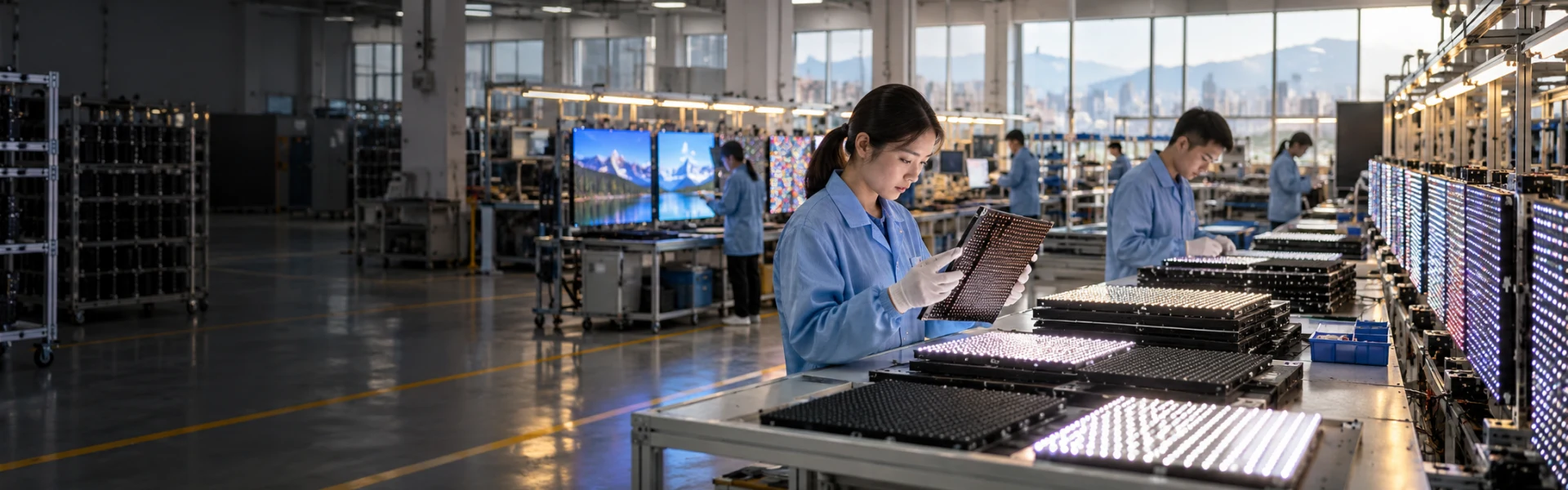
An LED display is assembled from parts that have to agree electrically, mechanically and visually. Our catalog brings modules, receiving and sending hardware, cabinets, power supplies, HUB boards and cables into one specification conversation. Share the application, screen size and existing components so the right questions can be answered early.

Module pinout, scan mode, card loading and data-cable routing are reviewed together.
Cabinet size, module mounting, access direction and alignment influence replacement success.
Supply voltage, expected load and connector layout are documented before installation.
Keep model references and spare-part choices clear for later maintenance.
Collect pitch, module dimensions, indoor or outdoor use and service direction.
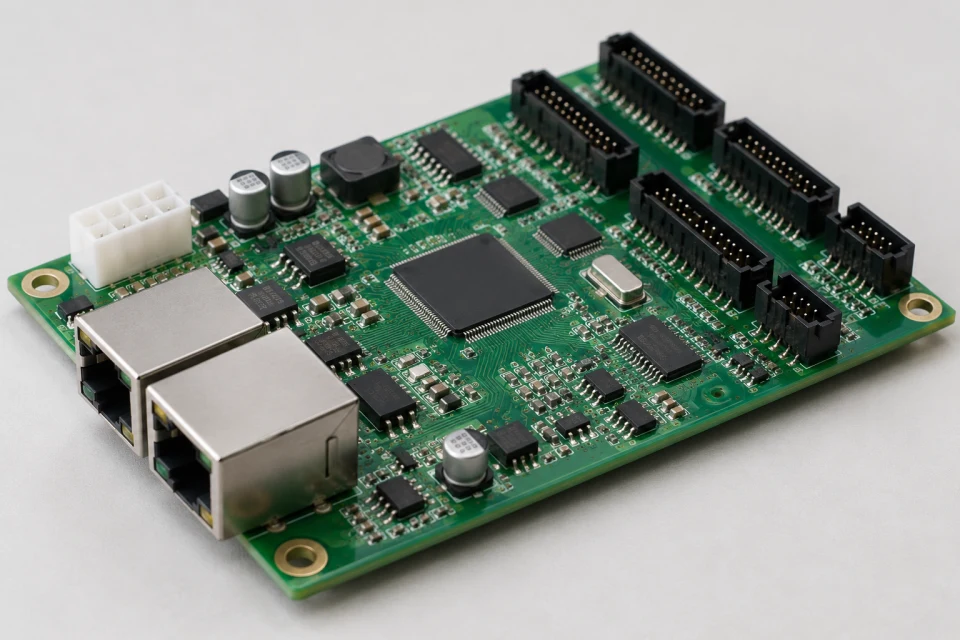
Compare control architecture, HUB pinout, supply voltage and cabinet layout.
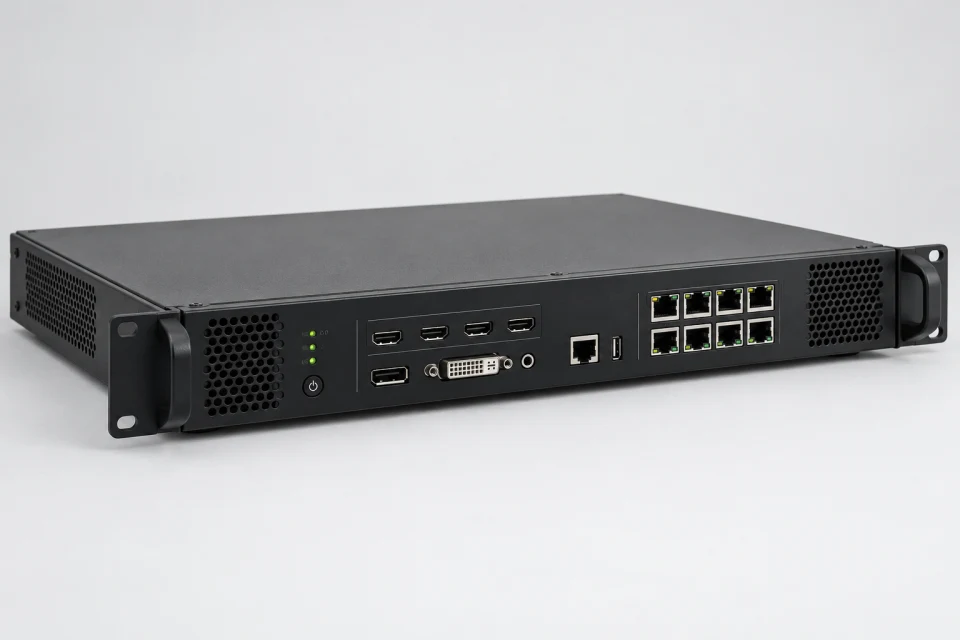
Agree on models, quantities and spare units before the order is finalized.
A photo of the part label, a wiring diagram or a cabinet drawing is a useful place to begin.